
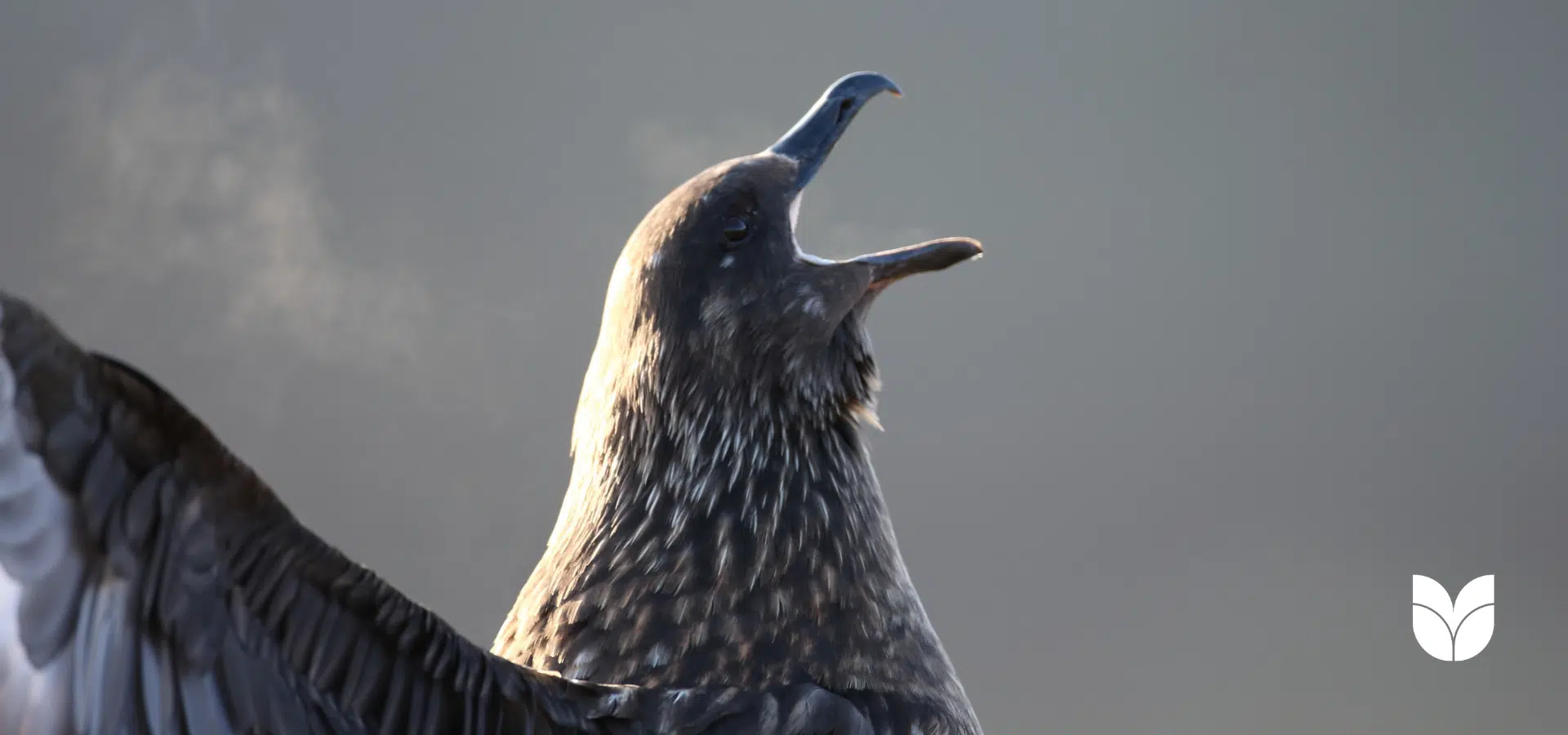
A brown skua was found sick on a beach at Cape Le Grand National Park, WA on 20 June 2026. The same day, CSIRO confirmed it was the highly pathogenic H5N1, Australia’s first mainland detection. Two days later, a second bird from the same site tested positive. By 23 June, the Invasive Species Council was asking for $200 million over two years. The Greens went further, calling for a standing $200 million emergency fund.
What ultimately shapes the impact of an outbreak isn’t just the virus or the response. It’s the condition of the ecosystems it moves through.
Healthy, functioning environments are more likely to suppress disease transmission and absorb shocks. Degraded systems are less resilient, more fragmented and often more vulnerable to cascading impacts across wildlife, agriculture and food supply chains.
We understand this conceptually. We do not measure it systematically.
That is the real $200 million blind spot.
The bird itself is not the story
H5N1 has already swept across most continents. Australia was among the last standing, and everyone working in this space knew the skua, or something like it, was coming. The 2023 government risk assessment said as much: moderate-to-high likelihood, catastrophic impact if it landed. This was not a surprise. It was a forecast that happened to come true.
What is genuinely revealing is what happened in the 72 hours after.
Conservationists, government, opposition senators, industry: nobody disagreed a response needed funding. The disagreement was entirely about scale, and there is a reason for that. Healthy, diverse ecosystems tend to be better at suppressing disease transmission than degraded ones, a pattern documented in everything from Lyme disease to West Nile virus. But it cuts both ways. The same habitat that supports biodiversity can also concentrate the wild birds that carry avian flu, and how that plays out for H5N1 on this continent isn’t settled scientifically yet.
What is settled is this: nobody is measuring ecological resilience consistently enough to understand ecosystem condition before the next shock arrives.
The mechanism
Natural Capital Accounting considers our stocks of nature, their condition and in turn their resilience to shocks, like H5N1.
Wetlands, seabird colonies and threatened species populations are assets in every practical sense. Yet when disease moves through them, the losses remain largely invisible to the systems that guide investment, public policy and capital allocation.
A single virus rarely devastates a healthy population on its own. It strikes populations already weakened by habitat loss, declining food availability and years of cumulative pressure. H5N1 is the visible event. The ecological resilience that determines how severely it lands has been drawn down quietly over decades, without ever appearing on a ledger. Nobody is arguing the response funding is wrong. The point is that nobody can judge whether it is sufficient because the baseline was never established.
Decades of land clearing, fragmented habitat and invasive species have already eaten into the buffer that would otherwise absorb a shock like this, yet nobody can say by how much because no consistent account of that resilience exists.
What changes if this gets built
Natural capital accounting would not have stopped the skua from carrying the virus. However, it would have given actors in this debate, government, conservation groups, insurers and investors, the same starting point: how the population was faring before the shock, what has been lost since and what it would take to rebuild resilience.
That matters well beyond this outbreak. Poultry, agriculture and our food supply chains built on top of them all depend on ecosystems that operate without the equivalent of a balance sheet. A biosecurity event that started with one seabird on a remote beach can move through pollination, water regulation, pest control, the quiet services nature provides to the economy that nobody notices until they fail.
Nor is it only about disease. Every year, ecosystems are quietly depleted through land clearing, declining water resources, over-extracted fisheries and habitat loss. Those changes rarely attract the same attention as an outbreak, yet they steadily increase the economic cost of the next shock before it even arrives.
Pricing nature-related risk properly is not simply an environmental question; it is an economic one. It affects food security, public health, regional industries and the livelihoods that depend on functioning ecosystems.
DPIRD and DBCA are already doing the unglamorous groundwork: surveillance, species response plans, monitoring across 200-plus priority sites. That is exactly the kind of structured natural capital data that is needed, but before the event.
The organisations that begin building that connection today will not simply respond better to future outbreaks, they will help define how nature-related risk is measured, valued and priced before the next crisis arrives.
————————————————————————————————————————————————————————–
We build the accounting frameworks that help governments, investors and businesses understand, measure and manage nature-related risk before it becomes financial risk. If that is where your organisation is headed, let’s talk.
Contact Us