

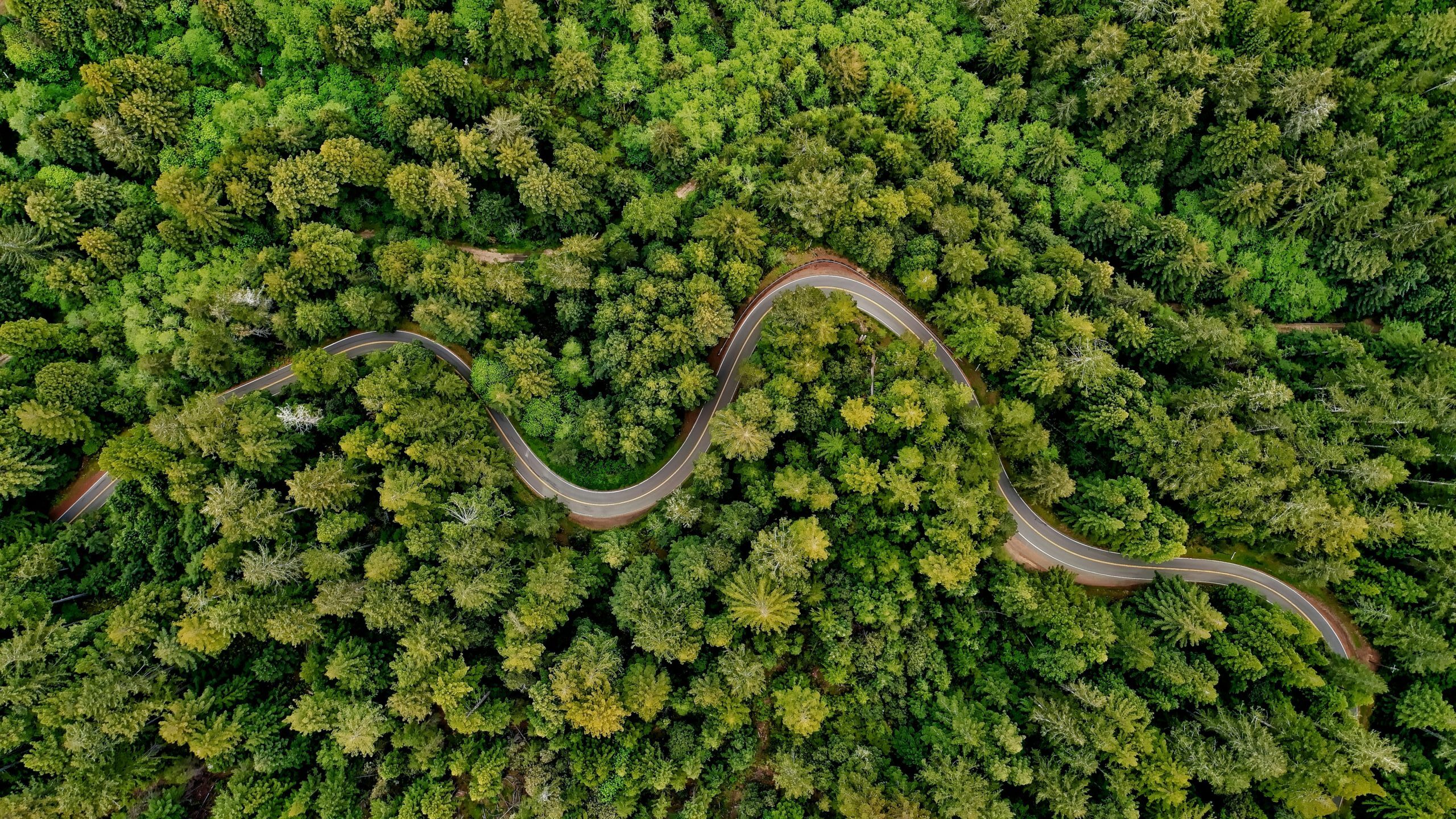
Every business depends on nature, whether or not it appears on the balance sheet. A forestry business needs healthy forests. A manufacturer needs reliable water. When forests or water supplies are under pressure, an environmental issue quickly becomes a supply chain disruption or an increase in operating costs.
Taskforce on Nature-Related Financial Disclosures (TNFD) was established to help organisations understand and report on their dependences and impacts on nature. Its framework asks businesses to examine where they operate, how they rely on nature, how they affect nature and what those relationships mean for business risk and opportunity.
Lenders and large customers are increasingly asking these questions. Smaller businesses that play a key role in supply chains are also starting to face them too.
The gap for smaller businesses
TNFD can feel like a significant undertaking, particularly for small and medium-sized enterprises (SMEs).
Most don’t have dedicated sustainability teams or the time and budget to navigate complex environmental datasets. Traditional assessment approaches can also be heavily weighted towards collecting and interpreting data, leaving less time for the decisions that information is meant to support.
The challenge is making nature-related information accessible and useful without creating another layer of complexity for businesses.
Technology for the data, people for the insight
We’ve built our approach around combining technology with the expertise of our ecologists, economists and analysts.
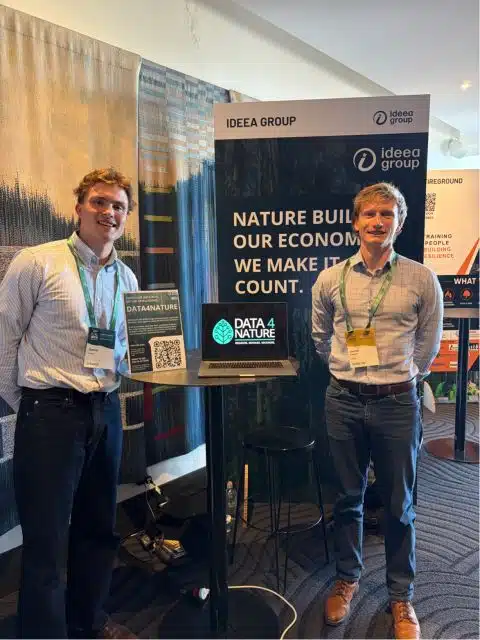
DATA4NATURE (D4N) is our digital platform. It brings together curated spatial and environmental datasets aligned with TNFD, allowing businesses to map their operations against relevant environmental data sets. Businesses provide their operational details, and the platform handles the data processing and spatial analysis. Mapping business operations against environmental data can traditionally take months. With DATA4NATURE, it can now be done in days.
However, data alone doesn’t tell the whole story.
Working alongside businesses through the TNFD LEAP approach (Locate, Evaluate, Assess, Prepare), our team interpret what the environmental data reveals, while our analysts assess what it means for the business. Together, we identify the dependencies, impacts, risks and opportunities that matter, translating the findings into a set of prioritised business actions.
What we learned testing it with real businesses
We were named a global finalist in the 2026 Nature Intelligence for Business Grand Challenge, where we put our approach to the test with two very different SMEs.
SME One: Hyakumori (forestry, Japan)
Hyakumori wanted a credible starting point for responsible forest management and to establish itself as an early adopter of TNFD in its sector.
The assessment highlighted the importance of healthy forest ecosystems to its operations, while identifying nature-related pressures such as pests. It also identified potential opportunities in recreation and access to nature-related finance.
Hyakumori’s response to the final report summed up what we were aiming for: “I really appreciate the time, care, and expertise that you and the team have put into this process. The report looks very useful, and we are grateful for the clear summary, insights, and recommendations.”
Sunao Tabata, Hyakumori
SME Two: AluTech (aluminium manufacturing, Kazakhstan)
AluTech needed an environmental baseline to help respond to stakeholder expectations and better understand its exposure to nature-related risks.
The assessment highlighted its dependence on secure water supplies and its exposure to upstream mining suppliers. It also identified opportunities around water efficiency and access to green capital.
The common thread
Both businesses finished with a TNFD-aligned starting point they could take into conversations with customers and funders, along with a clearer sense of what to prioritise next. Neither needed to become a nature expert to get there.
What stood out was the value of bringing environmental data into a business context. Data on its own can be overwhelming. The real value comes from understanding what it means for the business, and that takes ecological evidence and commercial insight working together.
Where to start
You don’t need a full TNFD assessment to begin. Understanding your relationship with nature starts with knowing where your business is exposed and what matters most. From there, the right level of analysis depends on your operations and what your stakeholders expect.
Your business depends on nature, whether or not you have measured it. We combine DATA4NATURE’s environmental intelligence with the expertise of our analysts to help you understand those dependencies, identify the risks and opportunities, and work out what to do next.